Discovery Posts
Carbon Offsets and Credits: The Complete Guide to Markets, Quality, and Net‑Zero Strategy
anti-Indian racism abroad: Why hostility toward Indian travellers is rising — causes, evidence & fixes
How to Earn Six Figures in 2025 by Increasing Your Salary
Real Estate: Why Young Earners Should Build Liquid Wealth First
Long-Term Investing in Equities for Retirement and Wealth Creation
7 Costly Short-Term Money Mistakes: Critical Reasons Why Your Next Car or Wedding Fund Should Avoid the Stock Market
The Smart Investor’s Guide to Medium-Term Wealth Building: Why Debt Instruments Are Your 5-10 Year Best Friend
Nifty 50 Index Funds: The Cornerstone of Building Real Wealth for Your Golden Years
The Ultimate Guide to Building Your First ₹10 Lakh Portfolio by 2025
Automate ₹500 Monthly Savings — The Tiny Habit That Builds Lasting Security
Emergency Fund: Your Ready Cash When Life Throws a Curveball
Health Insurance Explained Simply: Protect Your Wallet & Sleep Peacefully
Why a Career Path Transition Beats Linear Growth
Term Life Insurance: The Raw, Unfiltered Truth Agents Fear Telling You
Build Your Financial Fortress: Warren Buffett’s Unconventional Playbook for Unbreakable Wealth After 60
Ultimate Guide to Product Management: Skills, Roadmap, Roles, and Salary Insights
Sales Leadership & Sales Management: A Practical, Evidence-Based Playbook to Build High-Performance Sales Teams
Breaking the Chains: Transitioning to a Non-Linear Career
Mastering the P/E Ratio: No-Nonsense Stock Valuation
How to 5× Your Content Creation Speed with Free (and Low-Cost) AI Tools — a practical, creator-first guide
How to Learn Coding in 2025 — A Job-Focused Guide
Perfect Investment Guide: 7 Timeless Principles from Buffett & Lynch
The Power of Working Hard: Why Nobody Is Coming to Save You
The Habit Gap: Unlocking the Space Between Routine and Choice
The Math Doesn’t Lie: Income Investing for Growth, Stability & Freedom
Exit Load in Mutual Funds: What You Really Need to Know
Mutual Fund Expense Ratio: The Ultimate Guide to Maximizing Your Returns
Mutual Fund NAV & Units Explained: The Ultimate Investor’s Guide
7 Daily Habits of Billionaires That Can Transform Your Life
How Billionaires Think About Money: The Science of Focus, Motivation & Wealth
Mutual Funds Made Simple: How Anyone Can Start Growing Their Money
How the 50/30/20 Rule Helped Me Finally Get a Grip on My Money
5 Billionaire Mindsets That Matter More Than Any Personal Finance Rule
Why Civic Sense Is Fading in India — Three Reasons and Three Real Solutions
India’s Defining Decade: How to Build Wealth and Stay Ahead in the Age of AI
Unlock Your Path to ₹1 Crore: Daily Manifestation Routine Backed by Ancient Wisdom & Quantum Science
🎁 40 Heartfelt Raksha Bandhan Gift Ideas for Your Sister in 2025
How I Built My First AI Content Agent That Sends Me Scripts, Posts & Images Daily (No Coding Needed)
Edison vs Tesla: The Current Wars That Lit the Modern World
Microplastics and Brain Health: The Silent Attack on Your IQ, Memory, and Cognition
Understanding Toxic Masculinity in Cinema: A Comprehensive Exploration
What Elon Musk’s 1-Minute Screen Time Reveals About Focus, Discipline, and Taking Back Control
Wake Up Your Brain: Fun Moves to Think Faster & Remember More
The Ageless Mind: Science-Backed Strategies to Combat Brain Aging | Cognitive Vitality
💡 Why You’re Depressed (Even If Life Feels “Fine”): Micro Habits That Secretly Drain Your Mental Health
Physiological Sigh: A Natural 3-Second Reset for Instant Calm
Master Stress Like a Neuroscientist: Powerful Science-Backed Stress Management Techniques
Raksha Bandhan Meaning: A Spiritual Shield for Women & Dharma (Vedic Secrets Revealed)
Raksha Bandhan 2025: It’s Not About the Thread. It’s About You.
Embracing Your Own Path: A Playful Guide to De-Influencing the Trend‑Driven World
The Abraham Diet: Lose Belly Fat Fast Without Crunches or Starvation!
Raksha Bandhan 2025: All You Need to Know About the Date, Auspicious Time & Traditions
The Unseen War: Crushing Your Inner Serpent to Claim Eternal Freedom
Sant Tukaram’s Teachings: Surrender, Naam Japa, and Divine Grace
The Unshakeable Fortress: Finding Absolute Freedom in Divine Surrender
Replit: Making Coding Instant, Collaborative, and AI‑Driven
💻 How I Make ₹8000/Day Using Just My Laptop – Full Blueprint from The Side Hustle Guy
💻 How to Start a Blog and Earn $15,000/Month – The 2025 Ultimate Guide
When “Homeschooling” Feels Like Trauma: The Unseen Struggles of Middle‑Class Upbringing
⚡ The Man Who Lit the World: How Nikola Tesla Defeated Edison & Changed History
🌟 Why People Will Gladly Pay to Learn from You — Even If You’re Not an Expert
Can You Really Make Good Money as a Virtual Assistant?
How to Design Merch With Print-on-Demand and Build Your Own Brand
🎓 Teach What You Know: You’re More Ready Than You Think
📸 Earn From Your Photos or Video Clips: Turn Moments into Money
YouTube: More Than Just Viral Videos — Build a Real, Loyal Audience
💡 Share What You Love — And Earn From It
Make & Sell Digital Products: Create Once, Sell Forever
Freelance Your Skills: Build Your Own Income, Your Own Way
✨ 10 Straightforward Ways to Earn Money Online in 2025 (From Scratch, No Tricks)
How I Earn $5,000 a Month Selling Digital Products (You Can Too)
🌿 What Does Your Version of Success Really Look Like?
🌹 100 Rumi-Inspired Poems
📱 Your iPhone Cover Says More About You Than You Think
Build the System: The Secret to Finishing What You Start (Without Burning Out)
Why Cetaphil Gentle Skin Cleanser Deserves a Spot in Your Daily Routine
✨ Beyond the Red, White, and Blue: What Fourth of July Fashion Really Means
🌱 Need a Reset? Try This 3-Day Life Shift
💼 The Smartest Way for College Students to Make Money in 2025
A promise written in Quite light
How I’m Beating My Worst Addiction — One Honest Promise at a Time
🧍♂️ I Never Felt Confident — Until I Did This One Simple Thing
🎓 Google Is Giving Away Its Best AI Tools for Free
🔥 The Face Swap Side Hustle: How Some Creators Are Cashing In with RemakerAI
🌿 10 Gentle Daily Habits That Can Improve Your Mental Health
🚀 Top 10 No-Code Tools You’ll Actually Use in 2025
🧠 Agentic AI Roadmap 2025: From Python Basics to Building Real AI Agents
🔍 What Makes Life Feel Full
🎯 Growing Into Strength: The Shift from Impulse to Intention
🎓 I Never Saw This Coming
Overcoming Shame: Building Lasting Confidence
🧠 Life Lessons I Wish I’d Learned Sooner
🧠 Why Small Habits Create Massive Change (Even When Motivation Fails)
😇 The Truth About Being “Fake Nice”: Social Strategy or Self-Sabotage?
💸 How to Make So Much Money It Feels Like Cheating (But It’s All Legit)
💡 10 Beginner-Friendly AI Businesses You Can Start in 2025 — Even If You’re Broke and Clueless
Your First Million: What the Money Can’t Teach You, the Journey Will
🎯 “By 2030, Face Value Will Be the Only Currency That Matters”
🔒 Disappear to Evolve: The Quiet Strategy Behind Massive Success
🧩 How Not to Lose Friends Over Politics (When It’s Never Just About Politics)
🌿 The Peace That Comes from Choosing, Not Converting
💸 17 Micro Habits That Quietly Built My Wealth (And Can Build Yours Too)
💼 Why Gen Z Might Never Own Anything: A Deep Dive Into the Era of Renting, Subscriptions, and Shifting Values
🛡️ Become the Hunter: Rewrite Your Identity, Reclaim Your Life
🚀 10 Habits to Boost Your Productivity Effectively
📘40 Life-Changing Books Every Entrepreneur Must Read for Success
💡 The Hidden Cure for Fear: Why Confidence Is a Skill, Not a Trait
🧠 Uncovering Your True Self—The Words You Haven’t Found Yet
📑 Why Most Creators Are Failing (Even with Great Cameras)
Self-Discovery and Purpose
Start a Blog That Truly Helps People: A Path to Income and Impact
Start a Blog That Solves Problems and Helps People Start a Blog That Solves Problems and Helps People Learn how to create valuable content, build trust, and earn money through blogging. We live in a time where millions turn to the internet with questions. Whether it’s how to overcome anxiety, cook healthy meals, or build […]

Start a Blog That Solves Problems and Helps People
Learn how to create valuable content, build trust, and earn money through blogging. We live in a time where millions turn to the internet with questions. Whether it’s how to overcome anxiety, cook healthy meals, or build a side income—the internet is the first stop.
The Power of Problem-Solving Blogs
Now imagine this: What if your blog was the place people landed on and found real help? That’s the power of creating a blog that solves problems. Not only does it build trust and authority, but it can also become a steady stream of income—all while making a difference.
Problem-Solving Blog Concept
Image: People searching for solutions online – alt: problem-solving blog audience
Your Step-by-Step Guide
1
Pick a Niche You Truly Understand (or Want to Learn)
You don’t need a Ph.D. to start. You need empathy and experience. Have you overcome a challenge others still struggle with? Are you passionate about a subject and love researching it? That’s your niche.
- Parenting tips for new moms
- Budgeting for freelancers
- Healing from breakups
- Productivity hacks for students
- Travel on a low budget
Instead of being broad, get specific. Your readers need to feel like you’re speaking only to them.
2
Create Helpful, Real-World Content
Forget the robotic, surface-level advice. People want depth. Write blog posts that:
- Offer a clear step-by-step process
- Show your own experience or failure and what you learned
- Include tools, resources, or tips that actually worked for you
Instead of “How to Be More Confident,” write: “How I Stopped Overthinking What Others Think (And Built Real Confidence in 21 Days)”. That’s human. That’s relatable. That’s valuable. Don’t be afraid to be vulnerable. Real stories inspire people.
Creating Valuable Content
Image: Writing valuable content – alt: problem-solving blog content creation
3
Make It Conversational — Not Corporate
Imagine writing the way you talk to your closest friend.
- Use contractions (like you’re, I’ve, they’ll)
- Ask questions
- Use simple words
- Avoid jargon
Example: “I didn’t know what I was doing. I tried five different things. All of them failed—until this one tiny habit finally worked.” This style feels personal. Not robotic. That’s what separates human writing from AI or mass-produced content.
4
Share It Where It Matters
Creating great content is just half the battle. You’ve got to get it in front of the right people. Promote your blog posts:
- On Pinterest with catchy images and headlines
- In Facebook groups or forums (without spamming)
- By answering questions on Quora and linking back
- Through your own Instagram stories or tweets
- By starting a simple email newsletter
With consistency, your reach expands. More traffic = more opportunities to earn.
5
Turn Trust Into Income (Without Being Pushy)
Once you’ve helped your readers, they naturally begin to trust you. That trust opens doors for monetization.
Monetizing Your Blog
Image: Blog monetization strategies – alt: problem-solving blog monetization
Here’s how you can start earning:
- Affiliate links: Recommend tools or products and earn a small commission when someone buys.
- Ad networks: Platforms like Google AdSense or Ezoic pay you for showing ads.
- Digital downloads: Offer ebooks, planners, or templates that solve a problem.
- Courses or workshops: Teach your solution in more depth.
- Sponsored content: Brands will pay to be mentioned once your traffic grows.
Important: Only promote things that actually help your audience. Trust is fragile — protect it.
6
Focus on Quality, Not Perfection
One of the biggest mistakes beginners make is waiting until everything is “perfect.” Truth is, your first blog posts won’t be perfect — but they’ll be powerful if they’re honest and useful.
Start with 10 helpful blog posts. Don’t worry about fancy designs or SEO tricks at first. Just write to help. That’s your foundation.
Some starter blog ideas:
- “5 Mistakes I Made When Starting My First Freelance Gig”
- “The Exact Budget Plan That Helped Me Get Out of Debt”
- “How I Finally Fixed My Gut Health (Without Expensive Supplements)”
Each post is a chance to earn trust, build a following, and change a life.
Final Thoughts: Your Voice Matters
There are millions of blogs out there. But very few truly care about helping people. If you make that your goal — to help one reader at a time — everything else follows.
So don’t hold back. Your experiences, your lessons, your struggles — they all matter. You don’t need to be perfect. You just need to be real.
Start Today
Someone out there is waiting for your words. Your unique perspective might be exactly what they need to solve their problem and change their life.
Shatanjay Sudha

Optional next step
If you want more than a single article, the separate guided pages are here.
The article stays the focus. These pages are optional and only useful when you want a clearer route into learning or direct help.
Keep reading
Related articles with the same practical bent.
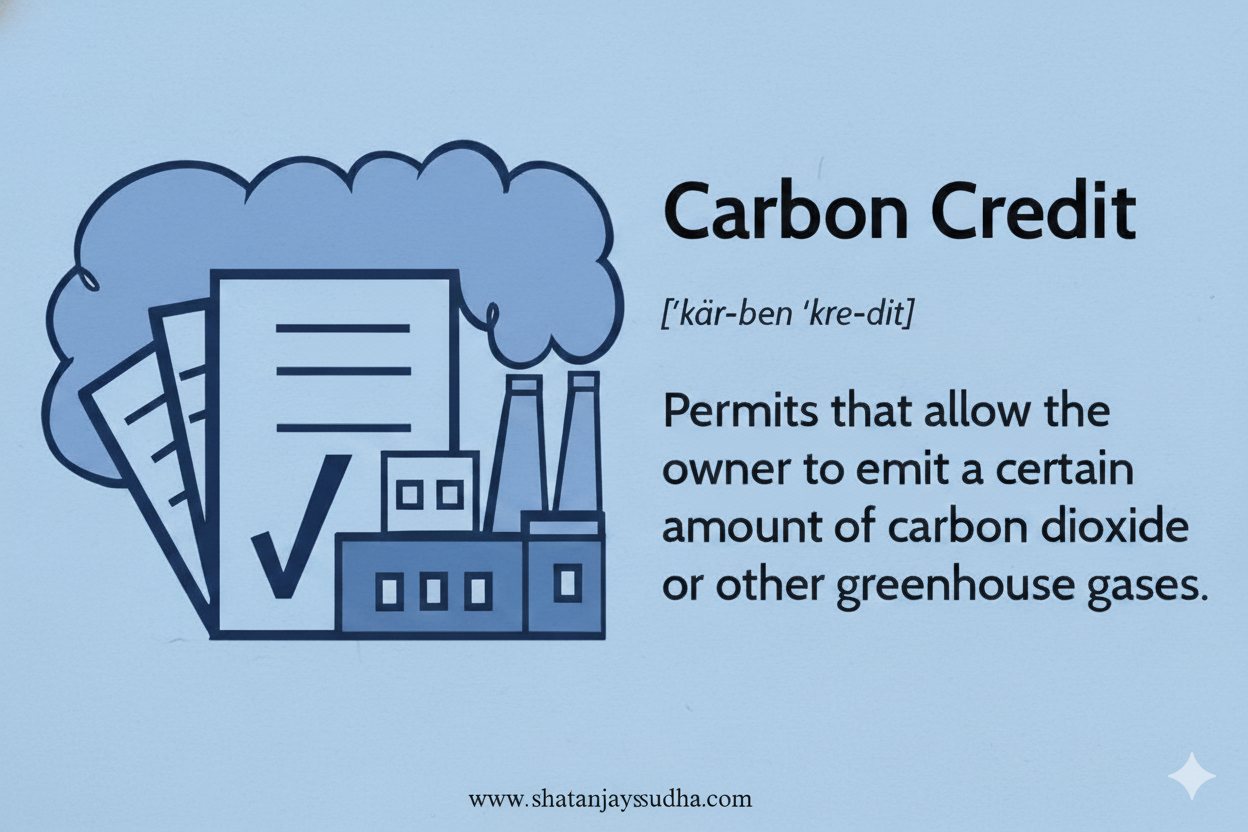
Carbon Offsets and Credits: The Complete Guide to Markets, Quality, and Net‑Zero Strategy
Carbon offsets and credits are market tools that quantify one tonne of CO2e reductions or removals and enable companies to compensate hard‑to‑abate emissions. Carbon offsets and credits are market-based tools that quantify and transact reductions or removals of greenhouse gases so organizations, governments, and individuals can credibly compensate for emissions they cannot yet eliminate at […]

anti-Indian racism abroad: Why hostility toward Indian travellers is rising — causes, evidence & fixes
Anti-Indian racism abroad is a growing concern for travellers, diplomats, and diaspora communities. Recent years have seen a spike in reports — from online slurs and discriminatory hotel rules to verbal abuse and physical attacks — that together shape a deteriorating reputation and tangible consequences, including visa rejections and financial losses. Over the last few […]

How to Earn Six Figures in 2025 by Increasing Your Salary
Earn six figures in 2025 isn’t just about luck. It’s about building earning power first. Most advice skips the critical step – growing your salary. This roadmap shows exactly how to earn six figures in 2025 through fundamental shifts. Let’s cut through the noise. You’re working hard, maybe saving diligently, maybe dabbling in investments. But your bank […]