More Posts
Carbon Offsets and Credits: The Complete Guide to Markets, Quality, and Net‑Zero Strategy
anti-Indian racism abroad: Why hostility toward Indian travellers is rising — causes, evidence & fixes
How to Earn Six Figures in 2025 by Increasing Your Salary
Long-Term Investing in Equities for Retirement and Wealth Creation
7 Costly Short-Term Money Mistakes: Critical Reasons Why Your Next Car or Wedding Fund Should Avoid the Stock Market
The Smart Investor’s Guide to Medium-Term Wealth Building: Why Debt Instruments Are Your 5-10 Year Best Friend
Nifty 50 Index Funds: The Cornerstone of Building Real Wealth for Your Golden Years
The Ultimate Guide to Building Your First ₹10 Lakh Portfolio by 2025
Automate ₹500 Monthly Savings — The Tiny Habit That Builds Lasting Security
Emergency Fund: Your Ready Cash When Life Throws a Curveball
Health Insurance Explained Simply: Protect Your Wallet & Sleep Peacefully
Why a Career Path Transition Beats Linear Growth
Term Life Insurance: The Raw, Unfiltered Truth Agents Fear Telling You
Build Your Financial Fortress: Warren Buffett’s Unconventional Playbook for Unbreakable Wealth After 60
Ultimate Guide to Product Management: Skills, Roadmap, Roles, and Salary Insights
Sales Leadership & Sales Management: A Practical, Evidence-Based Playbook to Build High-Performance Sales Teams
Breaking the Chains: Transitioning to a Non-Linear Career
Mastering the P/E Ratio: No-Nonsense Stock Valuation
How to 5× Your Content Creation Speed with Free (and Low-Cost) AI Tools — a practical, creator-first guide
How to Learn Coding in 2025 — A Job-Focused Guide
Perfect Investment Guide: 7 Timeless Principles from Buffett & Lynch
The Power of Working Hard: Why Nobody Is Coming to Save You
The Habit Gap: Unlocking the Space Between Routine and Choice
The Math Doesn’t Lie: Income Investing for Growth, Stability & Freedom
Exit Load in Mutual Funds: What You Really Need to Know
Mutual Fund Expense Ratio: The Ultimate Guide to Maximizing Your Returns
Mutual Fund NAV & Units Explained: The Ultimate Investor’s Guide
7 Daily Habits of Billionaires That Can Transform Your Life
How Billionaires Think About Money: The Science of Focus, Motivation & Wealth
Mutual Funds Made Simple: How Anyone Can Start Growing Their Money
How the 50/30/20 Rule Helped Me Finally Get a Grip on My Money
5 Billionaire Mindsets That Matter More Than Any Personal Finance Rule
Why Civic Sense Is Fading in India — Three Reasons and Three Real Solutions
India’s Defining Decade: How to Build Wealth and Stay Ahead in the Age of AI
Unlock Your Path to ₹1 Crore: Daily Manifestation Routine Backed by Ancient Wisdom & Quantum Science
🎁 40 Heartfelt Raksha Bandhan Gift Ideas for Your Sister in 2025
How I Built My First AI Content Agent That Sends Me Scripts, Posts & Images Daily (No Coding Needed)
Edison vs Tesla: The Current Wars That Lit the Modern World
Microplastics and Brain Health: The Silent Attack on Your IQ, Memory, and Cognition
Understanding Toxic Masculinity in Cinema: A Comprehensive Exploration
What Elon Musk’s 1-Minute Screen Time Reveals About Focus, Discipline, and Taking Back Control
Wake Up Your Brain: Fun Moves to Think Faster & Remember More
The Ageless Mind: Science-Backed Strategies to Combat Brain Aging | Cognitive Vitality
💡 Why You’re Depressed (Even If Life Feels “Fine”): Micro Habits That Secretly Drain Your Mental Health
Physiological Sigh: A Natural 3-Second Reset for Instant Calm
Master Stress Like a Neuroscientist: Powerful Science-Backed Stress Management Techniques
Raksha Bandhan Meaning: A Spiritual Shield for Women & Dharma (Vedic Secrets Revealed)
Raksha Bandhan 2025: It’s Not About the Thread. It’s About You.
Embracing Your Own Path: A Playful Guide to De-Influencing the Trend‑Driven World
The Abraham Diet: Lose Belly Fat Fast Without Crunches or Starvation!
Raksha Bandhan 2025: All You Need to Know About the Date, Auspicious Time & Traditions
The Unseen War: Crushing Your Inner Serpent to Claim Eternal Freedom
Sant Tukaram’s Teachings: Surrender, Naam Japa, and Divine Grace
The Unshakeable Fortress: Finding Absolute Freedom in Divine Surrender
Replit: Making Coding Instant, Collaborative, and AI‑Driven
💻 How I Make ₹8000/Day Using Just My Laptop – Full Blueprint from The Side Hustle Guy
💻 How to Start a Blog and Earn $15,000/Month – The 2025 Ultimate Guide
When “Homeschooling” Feels Like Trauma: The Unseen Struggles of Middle‑Class Upbringing
⚡ The Man Who Lit the World: How Nikola Tesla Defeated Edison & Changed History
🌟 Why People Will Gladly Pay to Learn from You — Even If You’re Not an Expert
Can You Really Make Good Money as a Virtual Assistant?
How to Design Merch With Print-on-Demand and Build Your Own Brand
🎓 Teach What You Know: You’re More Ready Than You Think
📸 Earn From Your Photos or Video Clips: Turn Moments into Money
YouTube: More Than Just Viral Videos — Build a Real, Loyal Audience
Start a Blog That Truly Helps People: A Path to Income and Impact
💡 Share What You Love — And Earn From It
Make & Sell Digital Products: Create Once, Sell Forever
Freelance Your Skills: Build Your Own Income, Your Own Way
✨ 10 Straightforward Ways to Earn Money Online in 2025 (From Scratch, No Tricks)
How I Earn $5,000 a Month Selling Digital Products (You Can Too)
🌿 What Does Your Version of Success Really Look Like?
🌹 100 Rumi-Inspired Poems
📱 Your iPhone Cover Says More About You Than You Think
Build the System: The Secret to Finishing What You Start (Without Burning Out)
Why Cetaphil Gentle Skin Cleanser Deserves a Spot in Your Daily Routine
✨ Beyond the Red, White, and Blue: What Fourth of July Fashion Really Means
🌱 Need a Reset? Try This 3-Day Life Shift
💼 The Smartest Way for College Students to Make Money in 2025
A promise written in Quite light
How I’m Beating My Worst Addiction — One Honest Promise at a Time
🧍♂️ I Never Felt Confident — Until I Did This One Simple Thing
🎓 Google Is Giving Away Its Best AI Tools for Free
🔥 The Face Swap Side Hustle: How Some Creators Are Cashing In with RemakerAI
🌿 10 Gentle Daily Habits That Can Improve Your Mental Health
🚀 Top 10 No-Code Tools You’ll Actually Use in 2025
🧠 Agentic AI Roadmap 2025: From Python Basics to Building Real AI Agents
🔍 What Makes Life Feel Full
🎯 Growing Into Strength: The Shift from Impulse to Intention
🎓 I Never Saw This Coming
Overcoming Shame: Building Lasting Confidence
🧠 Life Lessons I Wish I’d Learned Sooner
🧠 Why Small Habits Create Massive Change (Even When Motivation Fails)
😇 The Truth About Being “Fake Nice”: Social Strategy or Self-Sabotage?
💸 How to Make So Much Money It Feels Like Cheating (But It’s All Legit)
💡 10 Beginner-Friendly AI Businesses You Can Start in 2025 — Even If You’re Broke and Clueless
Your First Million: What the Money Can’t Teach You, the Journey Will
🎯 “By 2030, Face Value Will Be the Only Currency That Matters”
🔒 Disappear to Evolve: The Quiet Strategy Behind Massive Success
🧩 How Not to Lose Friends Over Politics (When It’s Never Just About Politics)
🌿 The Peace That Comes from Choosing, Not Converting
💸 17 Micro Habits That Quietly Built My Wealth (And Can Build Yours Too)
💼 Why Gen Z Might Never Own Anything: A Deep Dive Into the Era of Renting, Subscriptions, and Shifting Values
🛡️ Become the Hunter: Rewrite Your Identity, Reclaim Your Life
🚀 10 Habits to Boost Your Productivity Effectively
📘40 Life-Changing Books Every Entrepreneur Must Read for Success
💡 The Hidden Cure for Fear: Why Confidence Is a Skill, Not a Trait
🧠 Uncovering Your True Self—The Words You Haven’t Found Yet
📑 Why Most Creators Are Failing (Even with Great Cameras)
blog
Real Estate: Why Young Earners Should Build Liquid Wealth First
Real Estate Alternatives for Young Earners are fast becoming the smart first step for anyone under 35 trying to build meaningful net worth. Property has value, but for early-career professionals the high upfront cost, illiquidity, and operational hassle often slow wealth accumulation. This guide lays out realistic, liquid, and diversified paths — from index funds and […]

A good place to start
Most readers start here, then continue with what feels useful.
Read the article first. If it connects, continue with the newsletter, related writing, or the next practical resource.
Discover
Begin with ideas that are immediately useful.
Start with the homepage, article library, or YouTube videos to get a feel for the thinking, the tone, and the kind of practical work this site is built around.
Trust Stay long enough to understand the person behind the work.The newsletter and story pages help you understand the philosophy, the lived experience, and the consistency behind what is shared publicly.
Implement Turn the ideas into systems you can actually use.Workshops, prompts, and practical resources are there to help you apply the ideas to your own workflow, habits, and day-to-day execution.
Collaborate Reach out when the fit already feels clear.Partnerships, consulting, and team conversations are for people who already know the direction and want to build something useful together.
Real Estate Alternatives for Young Earners are fast becoming the smart first step for anyone under 35 trying to build meaningful net worth. Property has value, but for early-career professionals the high upfront cost, illiquidity, and operational hassle often slow wealth accumulation. This guide lays out realistic, liquid, and diversified paths — from index funds and REITs to high-income skills and tax-efficient accounts — that prioritize optionality, compounding, and income growth before committing large sums to real estate.
Why Real Estate Alternatives for Young Earners Matter in 2025
Young earners face specific constraints: limited capital, high housing prices, and the need for geographic or career flexibility. Choosing Real Estate Alternatives for Young Earners reduces concentration risk and preserves the ability to act on opportunities (job moves, startups, education) — advantages that compound into outsized long-term gains.
Top Real Estate Alternatives for Young Earners
1. Broad Market Index Funds and ETFs
For many readers, Real Estate Alternatives for Young Earners start with low-cost index funds. Automatic monthly contributions (SIPs) let compounding and dollar-cost averaging work in your favor while keeping funds liquid.
2. REITs and Pooled Property Funds
If you want property exposure without single-asset risk, REITs are among the most practical Real Estate Alternatives for Young Earners — they provide dividend income and property exposure with stock-like liquidity.
3. High-Income Skills and Side Hustles
Investing time into skills (sales, software, digital marketing) is one of the highest-ROI Real Estate Alternatives for Young Earners. Increased cash flow accelerates your investable capital far faster than modest rental yields alone.
4. Tax-Advantaged Retirement Accounts
Maxing out tax-efficient accounts compounds returns net of taxes — a foundational Real Estate Alternative for Young Earners that increases long-term purchasing power.
5. Short-term Fixed Income & Cash Equivalents
High-yield savings, liquid bond ETFs, and short-duration funds act as safety and stepping stones. These are pragmatic Real Estate Alternatives for Young Earners for emergency funds and near-term goals.
How to Build a Liquid Corpus Before Buying Property
Start with a budget, automate transfers, and target a 3–6 month emergency fund. Use a split between safety and growth: for example, keep 20–30% in liquid cash and short-term instruments while investing the rest into growth vehicles. These Real Estate Alternatives for Young Earners let you rebalance, seize opportunities, and test business ideas without being locked into a mortgage.
A Practical 3-Year Roadmap
- Year 0–1: Focus on skill growth, saving, and emergency fund automation.
- Year 1–3: Scale income (promotions, freelancing), allocate monthly to index funds, and explore REITs as a liquid property proxy.
- Year 3–5: If you still want direct property, consider small, diversified allocations while keeping most capital liquid.
Common Mistakes and How These Alternatives Help
Over-leveraging, ignoring diversification, and underestimating operational costs are common traps. By adopting Real Estate Alternatives for Young Earners, you reduce leverage risk and preserve liquidity so downturns don’t force fire sales.
Quick Action Checklist
- Automate monthly savings and investments.
- Build a 3–6 month emergency fund.
- Start SIPs in broad index funds.
- Invest in one high-income skill this year.
- Add REITs or pooled funds for property exposure without concentration.
Real estate is often presented as the surest path to wealth. For many young earners, however, the path to six figures in 2025 is rarely paved with property alone. Real-world constraints — upfront capital requirements, low liquidity, concentration risk, and the expertise needed to manage assets — make this a less-than-ideal starting point for those still building their financial foundations. In this guide we will explore practical alternatives, step-by-step strategies, and realistic timelines that prioritize liquidity, diversification, and skill development before committing to large, illiquid purchases. This long-form piece is designed for clarity, action, and to help you build a resilient plan for reaching six-figure income and net worth goals without relying on a single asset class too early.
Understanding the barriers
High capital requirements
High capital requirements put real estate out of reach for most early-career professionals. Down payments, closing costs, taxes, and unexpected maintenance add up quickly. For a young earner focused on growth, the capital sunk into a property could otherwise be invested into diversified, liquid assets that compound and can be reallocated when opportunities appear. The reality is that liquidity and compounding matter more early on; locking cash into an illiquid property can sacrifice both.
Illiquidity and transaction friction
Illiquidity is a defining trait of property ownership. Selling or refinancing takes time, paperwork, and often fees or broker commissions. Because of that friction, property is a poor tool when you need flexibility — whether to chase a career move, invest in a business, or respond to personal emergencies. Building a liquid corpus first gives you the optionality to act without painful delays.
Concentration risk and poor diversification
Buying a single property is a concentrated bet on a micro-market: location, neighborhood, and timing. Many young earners lack the financial buffer to absorb price swings in a localized market. Spreading capital across equities, bonds, and other liquid instruments reduces the chance that a single market shock derails your progress.
Operational complexity and expertise required
Real estate demands ongoing operational attention: tenant management, tax optimization, maintenance, and regulatory compliance. Mistakes can be expensive. Expertise takes time and effort to build. For young investors still learning financial basics, spending those early learning cycles on scalable, repeatable investing habits often yields better long-term returns.
Why liquidity matters for young earners
Emergency flexibility
A strong liquid position provides immediate access to funds for medical, personal, or professional emergencies. That safety net prevents fire sales of assets at inopportune times, when market values may be depressed and selling costs high. Liquidity protects both your financial and mental well-being.
Opportunities and optionality
Liquidity isn’t only defense — it’s offense. With deployable capital you can seize opportunities: a business idea that gains traction, a concentrated investment that becomes attractive, or a relocation for higher pay. Early in a career, the ability to pivot often matters more than owning a slow-appreciating asset.
Compounding with accessible capital
Compounding works best when capital is continuously invested and rebalanced. Liquid assets allow you to dollar-cost average, rebalance, harvest gains, and compound returns efficiently. Real estate’s long hold periods and transaction costs make it harder to tune your portfolio for maximum compounding during early accumulation.
Alternatives to property for early earners
Stock market and index funds
A diversified portfolio of low-cost index funds gives you market exposure without the operational burden of property. Index funds are liquid, inexpensive, and historically very efficient at growing capital over long horizons. For most young investors, automated contributions to broad-market index funds are a high-impact habit.
High-yield savings and instruments
Short-term high-yield savings, liquid fixed-income ETFs, and other cash equivalents provide safety and modest yields while keeping capital accessible. For the emergency fund and near-term goals, these instruments beat property in accessibility and predictable returns.
Startups, side hustles, and skills
Investing in yourself often yields returns that property cannot match, especially early on. Learning high-income skills, starting side hustles, or building a small business can increase earned income more quickly than relying on passive rental yields. This increased income then becomes deployable capital for diversified investments.
Retirement accounts and tax-efficient vehicles
Tax-advantaged accounts (like retirement plans) accelerate long-term wealth building by sheltering returns from taxes. Maxing out these vehicles before illiquid purchases often makes more financial sense. Over years, the tax savings compound and create a more efficient base from which to expand into less liquid assets.
How to build a liquid corpus
Budgeting and saving frameworks
Start with a clear budget that differentiates between essentials, savings, and investable surplus. Use frameworks like 50/30/20 or zero-based budgeting to make intentional choices. The point is to build habitual savings you can automate.
Top-up strategies and automation
Set up automatic transfers to investment accounts and savings each payday. Automation removes behavioral friction and helps you grow a liquid corpus rapidly. Consistent savings beat occasional large deposits for long-term compounding.
Emergency fund sizing
Define your emergency fund based on your job stability, family situation, and monthly burn rate. For many young earners, three to six months of expenses is a practical range. This fund should be liquid and easy to access without incurring penalties or selling investments at poor prices.
Allocating for growth vs safety
Decide how much of your investable capital goes into safety (emergency fund, short-term instruments) versus growth (equities, skill investments). Your allocation should reflect risk tolerance and time horizon. Early careers typically benefit from a heavier growth tilt but with enough safety to weather shocks.
When property makes sense
Sufficient capital and low leverage
Real estate becomes a viable option when you have a significant liquid base and low leverage. A down payment should not deplete your emergency fund or emergency reserves. If buying property requires maxing out credit or drying out liquid investments, reconsider.
Market knowledge and operational plan
If you have location-specific market knowledge or a management plan (including contingencies), property is less risky. Professional property operators and experienced mentors are invaluable. Without an operational plan, surprises in maintenance or tenant issues can erode gains.
Diversified property exposure
Rather than concentrating in a single property, consider diversified exposure through funds or pooled investments. This reduces idiosyncratic risk and can provide property-like returns with improved liquidity relative to direct ownership.
Passive property investments and REITs
Real estate investment trusts (REITs) and similar vehicles allow investors to access property returns without dealing with tenants or maintenance. REITs are liquid and can fit into a diversified portfolio, often making them a better first step than buying a single rental property.
Practical roadmap to six figures without property
Year 0–1: Foundations
Focus on earning more and building savings. Create systems: automatic savings, skills development, and reduce high-interest debt. Establish an emergency fund. This stage is about building resilience and the base capital needed for scalable growth.
Year 1–3: Scaling income and investing
Double down on income growth — promotions, job switches, freelancing, and monetizing skills. Simultaneously, invest regularly into diversified equities and tax-advantaged accounts. Use side projects to test business ideas. By now, your liquid corpus should be large enough to contemplate cautious diversification.
Year 3–5: Leverage but limit concentration
If you accumulate meaningful capital by year 3–5, you can consider small allocations to less liquid assets, including property. Keep allocations limited relative to your total portfolio and avoid high leverage. The goal is to expand diversification, not to concentrate your net worth into one illiquid asset.
Beyond: Combining property with a broad portfolio
Once you have an established income stream, fully-funded emergency reserves, and diversified investments, property can complement your portfolio. Choose structures that align with your risk tolerance: direct ownership for cashflow and control, or funds for diversification and liquidity.
Common mistakes and how to avoid them
Over-leveraging early
Borrowing heavily to buy property early can amplify risks. If income drops or vacancy rises, high leverage magnifies stress. Young earners are safer with moderate leverage and strong liquid reserves.
Ignoring diversification
Tying most of your net worth to a single property exposes you to localized shocks. Balance is key: diversify across asset classes, geographies, and income streams.
Chasing speculative flips
House flipping and short-term property speculation are capital and time intensive and often require specialized knowledge. For most young investors, such strategies carry outsized risk relative to potential reward.
Underestimating time and taxes
Property carries time costs and tax implications that are easily overlooked. Understand local regulations, depreciation rules, and how property income affects your tax situation to avoid surprises.
Final checklist and action plan
Immediate actions
- Automate monthly savings to a liquid account.
- Build or top up an emergency fund covering 3–6 months of expenses.
- Start or increase contributions to retirement and tax-advantaged accounts.
- Identify one high-income skill to develop over the next 12 months.
90-day plan
- Create a one-page financial model with income, expenses, and savings targets.
- Establish automatic transfers for investing and savings.
- Read two reputable books on investing and personal finance.
- Try a small side project to test demand for a product or service.
1-year plan
- Increase investable capital and maintain liquidity targets.
- Reassess career and income opportunities; pursue at least one high-leverage move (switching companies, negotiating pay).
- Develop a beginner’s knowledge of property without committing large capital (research, network with operators).
- Consider small allocations to diversified, liquid property vehicles only after meeting liquidity goals.
Continuous review and adaptation
Conduct quarterly reviews of goals, portfolio allocations, and income growth. Rebalance to maintain alignment with your risk tolerance and life stage. Adjust plans based on new knowledge and changing circumstances.
A closer look at real estate trade-offs
Note 1: When evaluating any portfolio decision, remember that real estate demands capital and commitment. Young earners benefit more from building liquid savings and versatile skills before committing to immovable assets. A measured approach keeps options open and allows you to seize unexpected opportunities. Short-term liquidity buys time to find better deals and to learn the operational side of property management.
Note 2: When evaluating any portfolio decision, remember that real estate demands capital and commitment. Young earners benefit more from building liquid savings and versatile skills before committing to immovable assets. A measured approach keeps options open and allows you to seize unexpected opportunities. Short-term liquidity buys time to find better deals and to learn the operational side of property management.
Note 3: When evaluating any portfolio decision, remember that real estate demands capital and commitment. Young earners benefit more from building liquid savings and versatile skills before committing to immovable assets. A measured approach keeps options open and allows you to seize unexpected opportunities. Short-term liquidity buys time to find better deals and to learn the operational side of property management.
Note 4: When evaluating any portfolio decision, remember that real estate demands capital and commitment. Young earners benefit more from building liquid savings and versatile skills before committing to immovable assets. A measured approach keeps options open and allows you to seize unexpected opportunities. Short-term liquidity buys time to find better deals and to learn the operational side of property management.
Note 5: When evaluating any portfolio decision, remember that real estate demands capital and commitment. Young earners benefit more from building liquid savings and versatile skills before committing to immovable assets. A measured approach keeps options open and allows you to seize unexpected opportunities. Short-term liquidity buys time to find better deals and to learn the operational side of property management.
Note 6: When evaluating any portfolio decision, remember that real estate demands capital and commitment. Young earners benefit more from building liquid savings and versatile skills before committing to immovable assets. A measured approach keeps options open and allows you to seize unexpected opportunities. Short-term liquidity buys time to find better deals and to learn the operational side of property management.
Note 7: When evaluating any portfolio decision, remember that real estate demands capital and commitment. Young earners benefit more from building liquid savings and versatile skills before committing to immovable assets. A measured approach keeps options open and allows you to seize unexpected opportunities. Short-term liquidity buys time to find better deals and to learn the operational side of property management.
Note 8: When evaluating any portfolio decision, remember that real estate demands capital and commitment. Young earners benefit more from building liquid savings and versatile skills before committing to immovable assets. A measured approach keeps options open and allows you to seize unexpected opportunities. Short-term liquidity buys time to find better deals and to learn the operational side of property management.
Note 9: When evaluating any portfolio decision, remember that real estate demands capital and commitment. Young earners benefit more from building liquid savings and versatile skills before committing to immovable assets. A measured approach keeps options open and allows you to seize unexpected opportunities. Short-term liquidity buys time to find better deals and to learn the operational side of property management.
Note 10: When evaluating any portfolio decision, remember that real estate demands capital and commitment. Young earners benefit more from building liquid savings and versatile skills before committing to immovable assets. A measured approach keeps options open and allows you to seize unexpected opportunities. Short-term liquidity buys time to find better deals and to learn the operational side of property management.
Note 11: When evaluating any portfolio decision, remember that real estate demands capital and commitment. Young earners benefit more from building liquid savings and versatile skills before committing to immovable assets. A measured approach keeps options open and allows you to seize unexpected opportunities. Short-term liquidity buys time to find better deals and to learn the operational side of property management.
Note 12: When evaluating any portfolio decision, remember that real estate demands capital and commitment. Young earners benefit more from building liquid savings and versatile skills before committing to immovable assets. A measured approach keeps options open and allows you to seize unexpected opportunities. Short-term liquidity buys time to find better deals and to learn the operational side of property management.
Note 13: When evaluating any portfolio decision, remember that real estate demands capital and commitment. Young earners benefit more from building liquid savings and versatile skills before committing to immovable assets. A measured approach keeps options open and allows you to seize unexpected opportunities. Short-term liquidity buys time to find better deals and to learn the operational side of property management.
Note 14: When evaluating any portfolio decision, remember that real estate demands capital and commitment. Young earners benefit more from building liquid savings and versatile skills before committing to immovable assets. A measured approach keeps options open and allows you to seize unexpected opportunities. Short-term liquidity buys time to find better deals and to learn the operational side of property management.
Note 15: When evaluating any portfolio decision, remember that real estate demands capital and commitment. Young earners benefit more from building liquid savings and versatile skills before committing to immovable assets. A measured approach keeps options open and allows you to seize unexpected opportunities. Short-term liquidity buys time to find better deals and to learn the operational side of property management.
Note 16: When evaluating any portfolio decision, remember that real estate demands capital and commitment. Young earners benefit more from building liquid savings and versatile skills before committing to immovable assets. A measured approach keeps options open and allows you to seize unexpected opportunities. Short-term liquidity buys time to find better deals and to learn the operational side of property management.
Note 17: When evaluating any portfolio decision, remember that real estate demands capital and commitment. Young earners benefit more from building liquid savings and versatile skills before committing to immovable assets. A measured approach keeps options open and allows you to seize unexpected opportunities. Short-term liquidity buys time to find better deals and to learn the operational side of property management.
Note 18: When evaluating any portfolio decision, remember that real estate demands capital and commitment. Young earners benefit more from building liquid savings and versatile skills before committing to immovable assets. A measured approach keeps options open and allows you to seize unexpected opportunities. Short-term liquidity buys time to find better deals and to learn the operational side of property management.
Note 19: When evaluating any portfolio decision, remember that real estate demands capital and commitment. Young earners benefit more from building liquid savings and versatile skills before committing to immovable assets. A measured approach keeps options open and allows you to seize unexpected opportunities. Short-term liquidity buys time to find better deals and to learn the operational side of property management.
Note 20: When evaluating any portfolio decision, remember that real estate demands capital and commitment. Young earners benefit more from building liquid savings and versatile skills before committing to immovable assets. A measured approach keeps options open and allows you to seize unexpected opportunities. Short-term liquidity buys time to find better deals and to learn the operational side of property management.
Note 21: When evaluating any portfolio decision, remember that real estate demands capital and commitment. Young earners benefit more from building liquid savings and versatile skills before committing to immovable assets. A measured approach keeps options open and allows you to seize unexpected opportunities. Short-term liquidity buys time to find better deals and to learn the operational side of property management.
Note 22: When evaluating any portfolio decision, remember that real estate demands capital and commitment. Young earners benefit more from building liquid savings and versatile skills before committing to immovable assets. A measured approach keeps options open and allows you to seize unexpected opportunities. Short-term liquidity buys time to find better deals and to learn the operational side of property management.
Note 23: When evaluating any portfolio decision, remember that real estate demands capital and commitment. Young earners benefit more from building liquid savings and versatile skills before committing to immovable assets. A measured approach keeps options open and allows you to seize unexpected opportunities. Short-term liquidity buys time to find better deals and to learn the operational side of property management.
Note 24: When evaluating any portfolio decision, remember that real estate demands capital and commitment. Young earners benefit more from building liquid savings and versatile skills before committing to immovable assets. A measured approach keeps options open and allows you to seize unexpected opportunities. Short-term liquidity buys time to find better deals and to learn the operational side of property management.
Note 25: When evaluating any portfolio decision, remember that real estate demands capital and commitment. Young earners benefit more from building liquid savings and versatile skills before committing to immovable assets. A measured approach keeps options open and allows you to seize unexpected opportunities. Short-term liquidity buys time to find better deals and to learn the operational side of property management.
Note 26: When evaluating any portfolio decision, remember that real estate demands capital and commitment. Young earners benefit more from building liquid savings and versatile skills before committing to immovable assets. A measured approach keeps options open and allows you to seize unexpected opportunities. Short-term liquidity buys time to find better deals and to learn the operational side of property management.
Note 27: When evaluating any portfolio decision, remember that real estate demands capital and commitment. Young earners benefit more from building liquid savings and versatile skills before committing to immovable assets. A measured approach keeps options open and allows you to seize unexpected opportunities. Short-term liquidity buys time to find better deals and to learn the operational side of property management.
Note 28: When evaluating any portfolio decision, remember that real estate demands capital and commitment. Young earners benefit more from building liquid savings and versatile skills before committing to immovable assets. A measured approach keeps options open and allows you to seize unexpected opportunities. Short-term liquidity buys time to find better deals and to learn the operational side of property management.
Note 29: When evaluating any portfolio decision, remember that real estate demands capital and commitment. Young earners benefit more from building liquid savings and versatile skills before committing to immovable assets. A measured approach keeps options open and allows you to seize unexpected opportunities. Short-term liquidity buys time to find better deals and to learn the operational side of property management.
Note 30: When evaluating any portfolio decision, remember that real estate demands capital and commitment. Young earners benefit more from building liquid savings and versatile skills before committing to immovable assets. A measured approach keeps options open and allows you to seize unexpected opportunities. Short-term liquidity buys time to find better deals and to learn the operational side of property management.
Note 31: When evaluating any portfolio decision, remember that real estate demands capital and commitment. Young earners benefit more from building liquid savings and versatile skills before committing to immovable assets. A measured approach keeps options open and allows you to seize unexpected opportunities. Short-term liquidity buys time to find better deals and to learn the operational side of property management.
Note 32: When evaluating any portfolio decision, remember that real estate demands capital and commitment. Young earners benefit more from building liquid savings and versatile skills before committing to immovable assets. A measured approach keeps options open and allows you to seize unexpected opportunities. Short-term liquidity buys time to find better deals and to learn the operational side of property management.
Note 33: When evaluating any portfolio decision, remember that real estate demands capital and commitment. Young earners benefit more from building liquid savings and versatile skills before committing to immovable assets. A measured approach keeps options open and allows you to seize unexpected opportunities. Short-term liquidity buys time to find better deals and to learn the operational side of property management.
Note 34: When evaluating any portfolio decision, remember that real estate demands capital and commitment. Young earners benefit more from building liquid savings and versatile skills before committing to immovable assets. A measured approach keeps options open and allows you to seize unexpected opportunities. Short-term liquidity buys time to find better deals and to learn the operational side of property management.
Note 35: When evaluating any portfolio decision, remember that real estate demands capital and commitment. Young earners benefit more from building liquid savings and versatile skills before committing to immovable assets. A measured approach keeps options open and allows you to seize unexpected opportunities. Short-term liquidity buys time to find better deals and to learn the operational side of property management.
Note 36: When evaluating any portfolio decision, remember that real estate demands capital and commitment. Young earners benefit more from building liquid savings and versatile skills before committing to immovable assets. A measured approach keeps options open and allows you to seize unexpected opportunities. Short-term liquidity buys time to find better deals and to learn the operational side of property management.
Note 37: When evaluating any portfolio decision, remember that real estate demands capital and commitment. Young earners benefit more from building liquid savings and versatile skills before committing to immovable assets. A measured approach keeps options open and allows you to seize unexpected opportunities. Short-term liquidity buys time to find better deals and to learn the operational side of property management.
Note 38: When evaluating any portfolio decision, remember that real estate demands capital and commitment. Young earners benefit more from building liquid savings and versatile skills before committing to immovable assets. A measured approach keeps options open and allows you to seize unexpected opportunities. Short-term liquidity buys time to find better deals and to learn the operational side of property management.
Note 39: When evaluating any portfolio decision, remember that real estate demands capital and commitment. Young earners benefit more from building liquid savings and versatile skills before committing to immovable assets. A measured approach keeps options open and allows you to seize unexpected opportunities. Short-term liquidity buys time to find better deals and to learn the operational side of property management.
Note 40: When evaluating any portfolio decision, remember that real estate demands capital and commitment. Young earners benefit more from building liquid savings and versatile skills before committing to immovable assets. A measured approach keeps options open and allows you to seize unexpected opportunities. Short-term liquidity buys time to find better deals and to learn the operational side of property management.
Note 41: When evaluating any portfolio decision, remember that real estate demands capital and commitment. Young earners benefit more from building liquid savings and versatile skills before committing to immovable assets. A measured approach keeps options open and allows you to seize unexpected opportunities. Short-term liquidity buys time to find better deals and to learn the operational side of property management.
Note 42: When evaluating any portfolio decision, remember that real estate demands capital and commitment. Young earners benefit more from building liquid savings and versatile skills before committing to immovable assets. A measured approach keeps options open and allows you to seize unexpected opportunities. Short-term liquidity buys time to find better deals and to learn the operational side of property management.
Note 43: When evaluating any portfolio decision, remember that real estate demands capital and commitment. Young earners benefit more from building liquid savings and versatile skills before committing to immovable assets. A measured approach keeps options open and allows you to seize unexpected opportunities. Short-term liquidity buys time to find better deals and to learn the operational side of property management.
Note 44: When evaluating any portfolio decision, remember that real estate demands capital and commitment. Young earners benefit more from building liquid savings and versatile skills before committing to immovable assets. A measured approach keeps options open and allows you to seize unexpected opportunities. Short-term liquidity buys time to find better deals and to learn the operational side of property management.
Note 45: When evaluating any portfolio decision, remember that real estate demands capital and commitment. Young earners benefit more from building liquid savings and versatile skills before committing to immovable assets. A measured approach keeps options open and allows you to seize unexpected opportunities. Short-term liquidity buys time to find better deals and to learn the operational side of property management.
Note 46: When evaluating any portfolio decision, remember that real estate demands capital and commitment. Young earners benefit more from building liquid savings and versatile skills before committing to immovable assets. A measured approach keeps options open and allows you to seize unexpected opportunities. Short-term liquidity buys time to find better deals and to learn the operational side of property management.
Note 47: When evaluating any portfolio decision, remember that real estate demands capital and commitment. Young earners benefit more from building liquid savings and versatile skills before committing to immovable assets. A measured approach keeps options open and allows you to seize unexpected opportunities. Short-term liquidity buys time to find better deals and to learn the operational side of property management.
Note 48: When evaluating any portfolio decision, remember that property demands capital and commitment. Young earners benefit more from building liquid savings and versatile skills before committing to immovable assets. A measured approach keeps options open and allows you to seize unexpected opportunities. Short-term liquidity buys time to find better deals and to learn the operational side of property management.
For fast, resilient wealth building, Real Estate Alternatives for Young Earners provide liquidity, diversification, and the flexibility to invest in human capital — all critical when you’re early in your career. Use small experiments to learn new asset classes, keep optionality, and only add illiquid property once you have a secure, diversified base.
Extended conclusion and actionable checklist
Start by building clear financial habits that are sustainable for the long run. Automate your savings so that you consistently set aside a portion of each paycheck. Maintain an emergency fund that covers living expenses for at least three to six months. Invest regularly into diversified, low-cost index funds that match your risk tolerance. Increase your human capital by learning high-income skills and networking deliberately. Use side projects to validate business ideas before allocating significant capital. Consider tax-advantaged accounts to accelerate growth and reduce drag from taxes. Avoid high-interest debt and pay down consumer liabilities that erode compound returns. Set measurable milestones toward income and net worth targets and review them quarterly. As your liquid corpus grows, evaluate opportunities like direct property investment more carefully. When you consider larger, illiquid assets, run stress tests on your cashflow and downside scenarios. Keep insurance and legal protections in place to safeguard against major disruptions. Seek mentors and professionals with proven track records before making large commitments. If you choose to diversify into non-liquid assets later, do so with a gradual allocation plan. Preserve optionality — it is often the most valuable thing young investors possess. Use small experiments to learn new asset classes rather than betting a large share of capital at once. Measure returns net of fees and taxes when comparing different investment paths. Document lessons learned; a written playbook improves decision-making over time. Avoid emotional reactions to market noise and focus on long-term compounding principles. Rebalance periodically to maintain alignment with your target allocation and risk profile. Keep records organized for tax and performance tracking so you can evaluate objectively. Plan lifestyle upgrades thoughtfully so they don’t permanently increase your fixed costs. Align financial decisions with personal goals, not with social narratives about success. As income grows, increase allocations to both growth and safety in a balanced way. Finally, remember that building wealth is a multi-year process that rewards patience and discipline. Regularly updating your plan based on new knowledge and life changes keeps you resilient and adaptable.
Read more about smart investing strategies
Shatanjay Sudha
What next
Keep the momentum going after this article.
Choose the next step that fits your style: stay with the topic, switch to video, or get the weekly note in your inbox.
Browse the article library
Go deeper with practical writing on AI, productivity, career growth, and systems that actually get used.
Watch the YouTube channel
See the same ideas explained in video format with practical demos, walkthroughs, and real examples.
Join the weekly newsletter
Get one useful idea, one clear framework, and one next step you can apply without digging through noise.
Keep reading
Related articles with the same practical bent.
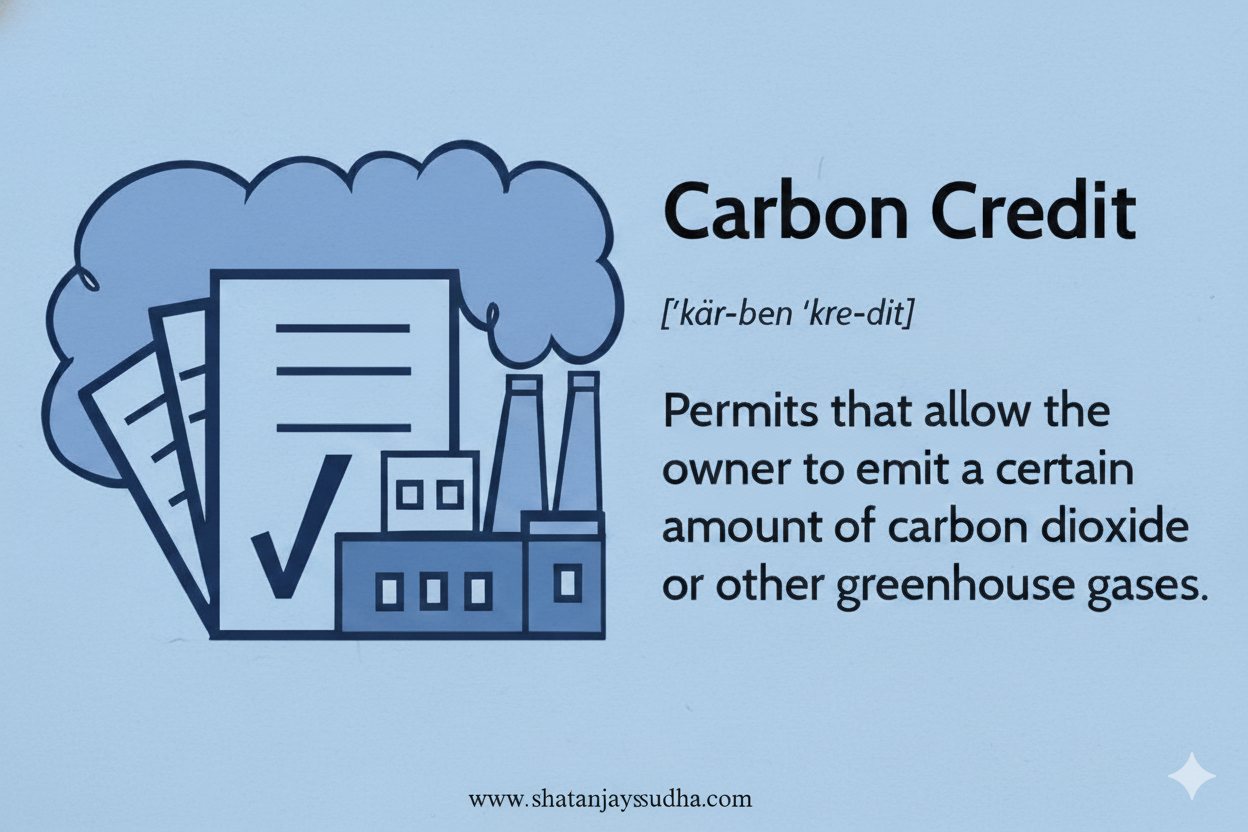
Carbon Offsets and Credits: The Complete Guide to Markets, Quality, and Net‑Zero Strategy
Carbon offsets and credits are market tools that quantify one tonne of CO2e reductions or removals and enable companies to compensate hard‑to‑abate emissions. Carbon offsets and credits are market-based tools that quantify and transact reductions or removals of greenhouse gases so organizations, governments, and individuals can credibly compensate for emissions they cannot yet eliminate at […]

anti-Indian racism abroad: Why hostility toward Indian travellers is rising — causes, evidence & fixes
Anti-Indian racism abroad is a growing concern for travellers, diplomats, and diaspora communities. Recent years have seen a spike in reports — from online slurs and discriminatory hotel rules to verbal abuse and physical attacks — that together shape a deteriorating reputation and tangible consequences, including visa rejections and financial losses. Over the last few […]

How to Earn Six Figures in 2025 by Increasing Your Salary
Earn six figures in 2025 isn’t just about luck. It’s about building earning power first. Most advice skips the critical step – growing your salary. This roadmap shows exactly how to earn six figures in 2025 through fundamental shifts. Let’s cut through the noise. You’re working hard, maybe saving diligently, maybe dabbling in investments. But your bank […]
Also Read
Useful pages around this article.
If you want the person behind the platform, the common site questions, or the legal pages, these are the best next stops.
About Me
Read the story, working principles, and background behind the platform.
Read about me
FAQs
Real questions with direct answers about the site, content, and updates.
Read FAQs
Terms & Conditions
Review the rules, content rights, and usage terms for this website.
View terms
Privacy Policy
See how comments, cookies, analytics, and personal data are handled.
View policy