Blog
Finance archive
Automate ₹500 monthly savings and you’ll do more than stack a few rupees — you’ll build a habit that protects you from shocks, curbs lifestyle inflation, and lets compounding work its…
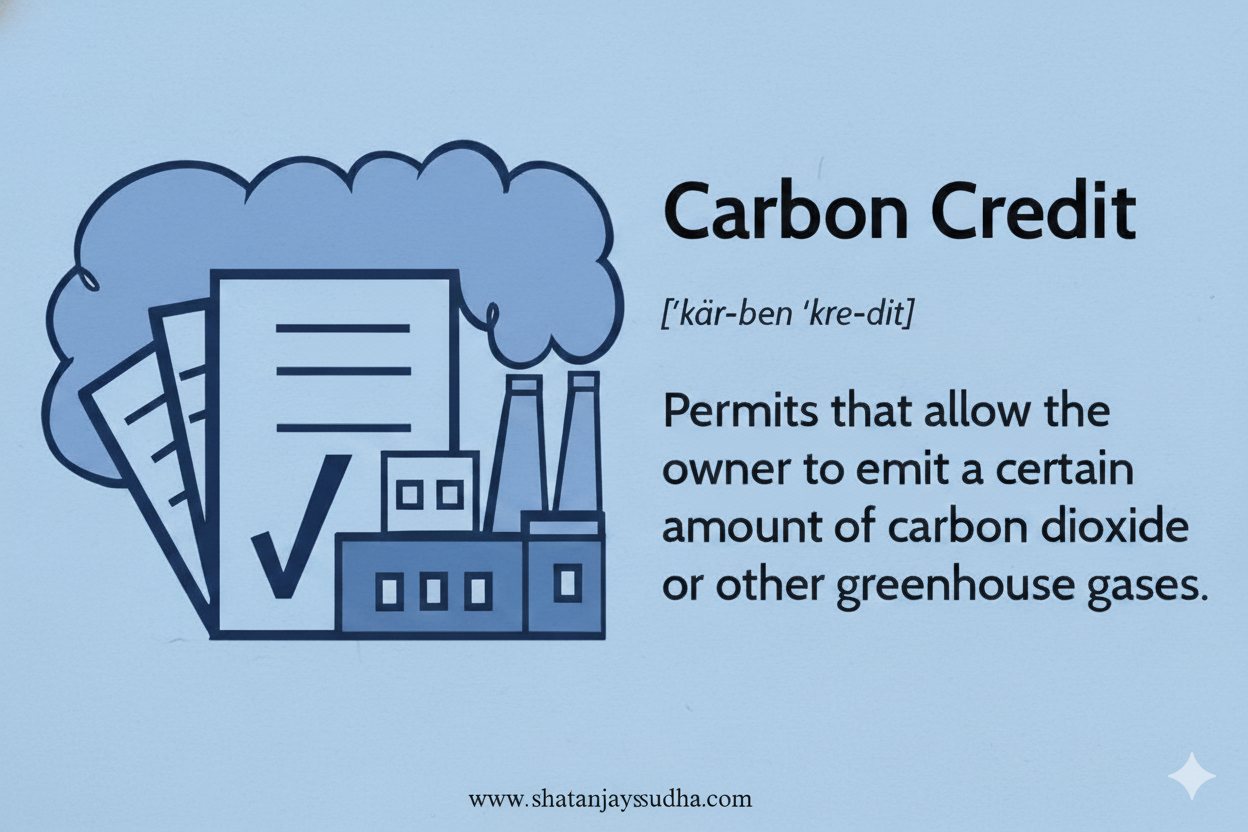
Carbon Offsets and Credits: The Complete Guide to Markets, Quality, and Net‑Zero Strategy
Carbon offsets and credits are market tools that quantify one tonne of CO2e reductions or removals and enable companies to compensate hard‑to‑abate emissions. Carbon offsets and credits are market-based tools that quantify and transact reductions or removals of greenhouse gases so organizations, governments, and individuals can credibly compensate for emissions they cannot yet eliminate at […]

anti-Indian racism abroad: Why hostility toward Indian travellers is rising — causes, evidence & fixes
Anti-Indian racism abroad is a growing concern for travellers, diplomats, and diaspora communities. Recent years have seen a spike in reports — from online slurs and discriminatory hotel rules to verbal abuse and physical attacks — that together shape a deteriorating reputation and tangible consequences, including visa rejections and financial losses. Over the last few […]

iPhone 17 Pro Review & Buying Guide: What Apple Changed, What Actually Matters
Apple’s iPhone 17 Pro is the company’s latest push at the top end: a faster A19 Pro chip, longer battery life claims, and a camera system aimed at creators. If you’re deciding whether to upgrade this year, here’s what matters. 1) What’s actually new — the short list Here are the practical upgrades Apple shipped […]

How to Earn Six Figures in 2025 by Increasing Your Salary
Earn six figures in 2025 isn’t just about luck. It’s about building earning power first. Most advice skips the critical step – growing your salary. This roadmap shows exactly how to earn six figures in 2025 through fundamental shifts. Let’s cut through the noise. You’re working hard, maybe saving diligently, maybe dabbling in investments. But your bank […]

Real Estate: Why Young Earners Should Build Liquid Wealth First
Real Estate Alternatives for Young Earners are fast becoming the smart first step for anyone under 35 trying to build meaningful net worth. Property has value, but for early-career professionals the high upfront cost, illiquidity, and operational hassle often slow wealth accumulation. This guide lays out realistic, liquid, and diversified paths — from index funds and […]

Long-Term Investing in Equities for Retirement and Wealth Creation
Long-Term Investing in Equities is the foundation of retirement wealth and financial independence. By staying invested for more than 10 years, investors benefit from compounding, market growth, and disciplined strategies like index funds and SIPs. Over time, equities have consistently outperformed other asset classes. This makes them the most effective tool for long-term wealth creation. Stock […]

7 Costly Short-Term Money Mistakes: Critical Reasons Why Your Next Car or Wedding Fund Should Avoid the Stock Market
Planning a major purchase in the next few years? Whether it’s buying your dream car, planning your wedding, or saving for a down payment on a home, one financial principle could make or break your plans: short-term money should never touch the stock market. This detailed guide goes far beyond the basics. We’ll explore why equity […]

The Smart Investor’s Guide to Medium-Term Wealth Building: Why Debt Instruments Are Your 5-10 Year Best Friend
Planning for your child’s college education, saving for that dream home down payment, or building a corpus for a sabbatical? These pivotal life milestones typically sit on a 5 to 10-year horizon. This isn’t the territory for day-trading speculation, nor is it for ultra-conservative, inflation-eroding savings accounts. You’re in the investing “Goldilocks zone,” and to […]

Nifty 50 Index Funds: The Cornerstone of Building Real Wealth for Your Golden Years
Introduction: Why Nifty 50 Index Funds Are Revolutionizing Retirement Planning Nifty 50 index funds represent the most significant advancement in retirement planning for Indian investors in decades. When envisioning your golden years, the traditional advice of relying solely on fixed deposits, real estate, or gold no longer suffices in our rapidly evolving economic landscape. The undeniable […]

The Ultimate Guide to Building Your First ₹10 Lakh Portfolio by 2025
Introduction: Why Strategic Investing Matters Achieving financial independence requires a disciplined approach, especially when Building Your First ₹10 Lakh Portfolio by 2025. Many aspiring investors, like Rahul mentioned earlier, fall into common traps—chasing hot stocks, reacting to market noise, or following unreliable tips. This optimized guide incorporates keyword-rich strategies, strategic internal linking, and authoritative external resourcesto enhance your SEO […]

Automate ₹500 Monthly Savings — The Tiny Habit That Builds Lasting Security
Automate ₹500 monthly savings and you’ll do more than stack a few rupees — you’ll build a habit that protects you from shocks, curbs lifestyle inflation, and lets compounding work its quiet magic. This long-form guide shows exactly how to set it up, why it works, how to scale it, and real examples of what small, […]

Emergency Fund: Your Ready Cash When Life Throws a Curveball
Life’s surprises are inevitable — a sudden medical bill, urgent car repair, or unexpected job loss can happen to anyone. An emergency fund is the simple, powerful financial habit that keeps those surprises from turning into crises. Here’s a Google Discover–friendly, easy-to-read guide to building and using your emergency buffer. What is an emergency fund? An emergency […]
Automate ₹500 monthly savings and you’ll do more than stack a few rupees — you’ll build a habit that protects you from shocks, curbs lifestyle inflation, and lets compounding work its quiet magic. This long-form guide shows exactly how to set it up, why it works, how to scale it, and real examples of what small, steady savings become over time.
Start with one simple rule: Automate ₹500 monthly savings
The point is not ₹500. The point is the repeatable action. By automating a small sum, you remove choice, remove friction, and create a default behavior: you save before you spend. Do this on payday and treat it like a bill. Over time, the habit compounds emotionally (you become a saver) and financially (the pot grows).
Why automation wins over motivation
- No monthly decisions. Willpower wanes. Automation makes saving non-negotiable.
- Prevents lifestyle creep. When salary rises you’re less likely to inflate spending if saving is already automated.
- Small is sustainable. ₹500 is small enough to start immediately; the win is continuity, not sacrifice.
- Anchors your financial priorities. Labeled accounts (Emergency, Goals, Retirement) turn vague goals into clear commitments.
Step-by-step: How to automate ₹500 monthly savings today
- Pick the destination (your “bucket”).
- Emergency fund: separate savings account or liquid sweep-in FD.
- Growth fund: SIP in a diversified mutual fund once the emergency target is met.
Choose one bucket to start — simplicity beats complexity.
- Set the plumbing.
Log into your bank and set a standing instruction or auto-debit for ₹500 on the day after salary credit. If your bank doesn’t allow, set a reminder to move the money manually the morning after payday until you can automate. - Label the account.
Name it clearly: “Emergency — ₹50,000” or “Savings — Auto ₹500”. The label acts like a tiny contract with yourself. - Protect liquidity first.
Goal #1: save 3 months of essential expenses (6 if you’re the only earner). Keep this fund accessible. - Plan to scale.
Use the 50% raise rule: when you receive a raise, automatically allocate at least 50% of the increment to your automated savings. That helps you save more without losing lifestyle comfort.
What ₹500 a month becomes — real math (conservative example)
If you only saved ₹500 each month and kept it in a zero-interest account, you’d have ₹6,000 a year — ₹60,000 in 10 years. But if you invest ₹500 monthly into a diversified fund returning a conservative 8% annual (compounded monthly), the future value strengthens:
- After 10 years at 8% annual (compounded monthly) → ≈ ₹91,500.
- After 20 years at 8% annual (compounded monthly) → ≈ ₹294,500.
These figures show the twin forces of habit + time. The earlier you start, the larger the payoff — and the best part is that the effort is tiny.
Smart rules to make automation stick
- Out-of-sight principle: Keep automated savings in an account not linked to your daily debit card.
- Round-up boosters: Use round-up apps that save spare change on card spends — they accelerate progress with zero pain.
- Windfall rule: For bonuses/tax refunds, follow 50% save / 30% invest / 20% spend. Automate the save portion.
- Quarterly check-ins: Review every 3 months — increase the automated amount slightly if your budget allows.
Where to park automated amounts (products that work)
- Liquid savings / sweep-in FD: Best for emergency funds — easy access with slightly higher returns than ordinary savings.
- Liquid mutual funds: Good for short-term buffers with quick exit options.
- SIPs (Systematic Investment Plans): Once emergency goals are met, route automated funds into SIPs for long-term growth. Prefer low-cost index or diversified funds unless you have a specific strategy.
When choosing products, prioritize liquidity for emergencies and low fees for long-term investing.
Common doubts — quick answers
Is ₹500 really enough?
Yes. It’s not the amount but the routine. Small deposits create the habit; scale later.
I can’t spare ₹500 — what if I start with less?
Start with any amount. Even ₹100 monthly sets the habit. Increase gradually.
Should I invest instead of saving?
Build a 3–6 month emergency fund first in liquid instruments. Then redirect new automated amounts into SIPs for compounding growth.
A 30-day action plan (do this now)
Week 1: Open a separate savings account or choose a SIP fund.
Week 2: Set a ₹500 auto-debit for the day after payday.
Week 3: Label the account and set an emergency target (e.g., “3 months = ₹45,000”).
Week 4: Add a calendar reminder to review progress in three months and plan a raise-linked increase.
Long-term thinking: scale without stress
The real beauty of automating ₹500 monthly savings is psychological: once it becomes routine, increasing the amount is painless. Use automatic escalators (e.g., add ₹200 every year) or the 50% raise rule to boost savings without a battle of willpower.
Final takeaway
Automate ₹500 monthly savings not because ₹500 is magical, but because consistent actions compound emotionally and financially. This tiny habit protects you from short-term shocks, makes growing your net worth inevitable, and trains you to live below your means — the single most powerful financial skill.
FAQs
Q: How soon will I see benefits? — Behavioral changes happen within weeks; financial gains accumulate within months and years.
Q: Where should I start? — Set up a separate account and schedule the auto-debit for the day after payday.
For guidance on safe banking products and regulations, see the Reserve Bank of India’s investor resources: Reserve Bank of India.
For mutual fund and investor protection information, reference the Securities and Exchange Board of India: SEBI — Investor Guidance.
For digital payments and safety, check NPCI and official payment education resources: NPCI — Payments.
Conclusion
👉 “The earlier you start building the habit of saving, the easier it becomes to achieve financial freedom. Save consistently, no matter how small, and watch your future wealth grow.”