
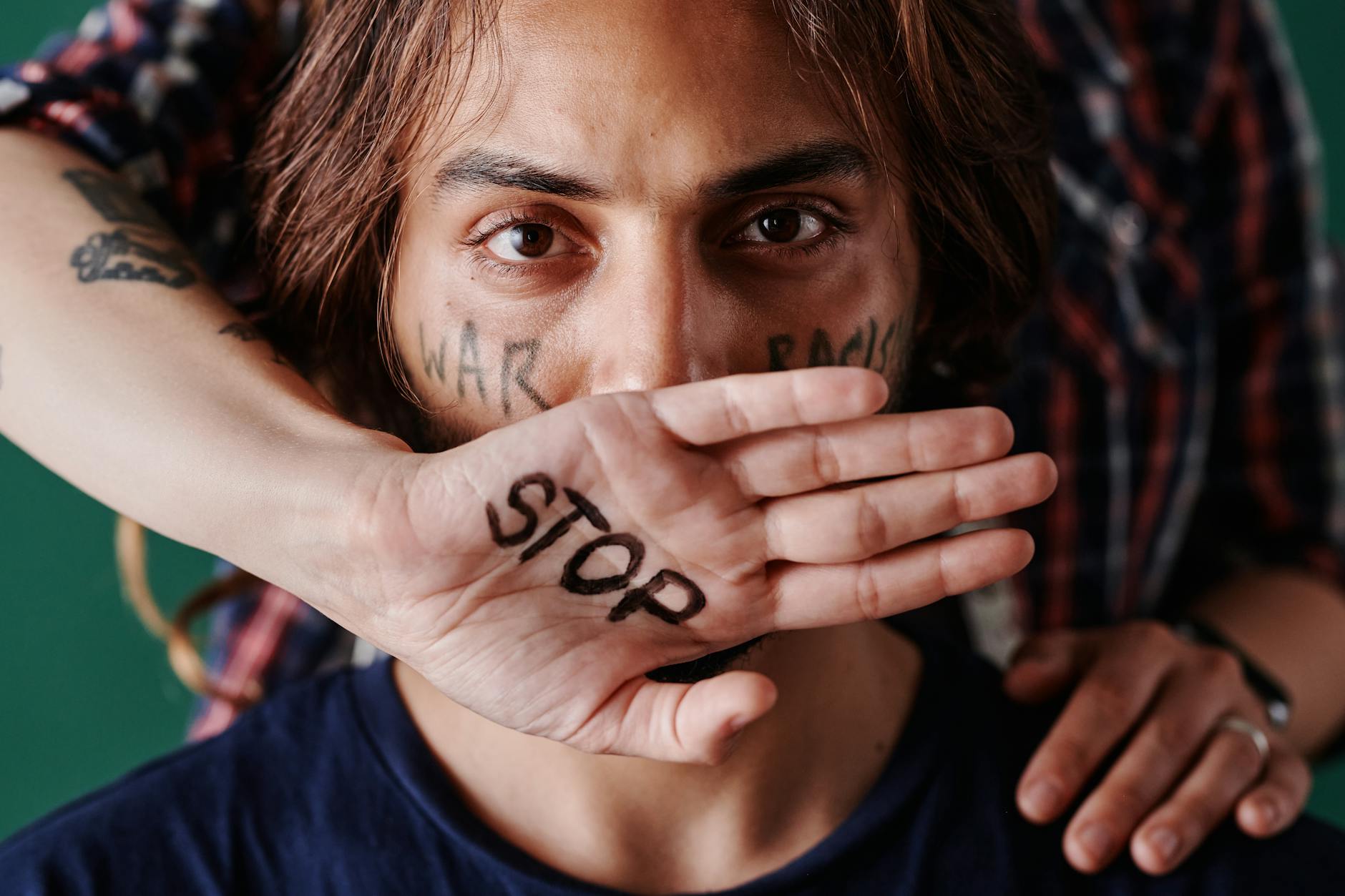
Anti-Indian racism abroad is a growing concern for travellers, diplomats, and diaspora communities. Recent years have seen a spike in reports — from online slurs and discriminatory hotel rules to verbal abuse and physical attacks — that together shape a deteriorating reputation and tangible consequences, including visa rejections and financial losses.
Over the last few years many Indians and observers have noticed a worrying trend: a rise in public hostility, discriminatory policies, and online abuse directed at people of Indian origin in a growing number of countries. This post surveys the problem, cites concrete examples and data, and offers practical lessons — including what worked in other countries to repair tourist reputations.

How big is the problem?
There are several types of measurable evidence that concern researchers and travellers alike:
- Visa rejections and financial losses. In 2024, over 165,000 Schengen visa applications from Indian nationals were denied, producing an estimated non-refundable fee loss of roughly ₹136 crore (about €90 per application on average) — a sharp and quantifiable indicator of heightened scrutiny and friction at the border. The Economic Times
- On-the-ground discrimination reports. TripAdvisor and other review platforms contain multiple guest reports alleging differential treatment — for example, Indian guests describing being given inferior towels, moved to less desirable spaces, or treated differently than non-Indian guests during stays in places such as Pattaya. These first-hand reviews document how tourists perceive discrimination while travelling. Tripadvisor
- Viral public-abuse videos and local incidents. There are social-media videos and news reports showing Indians being verbally abused in public in countries as varied as Poland, and more broadly there is coverage of racial harassment targeting Indians across different regions. (See a documented instance reported in Poland and related reporting.) Deccan Herald
- Online slurs and discourse. New and recycled slurs (and hashtags) that demean Indians or Indian culture have circulated widely on social platforms, amplifying stereotypes and sometimes encouraging offline hostility. Independent reporting and commentary track these surges in social-media negativity. baaznews.org+1
Why is this happening? — Root causes
There isn’t a single cause; rather a mix of structural, social, and media dynamics:
- Behavioural incidents that become global spectacles. A handful of high-profile misbehaviour cases (public urination, fights, disrespectful public conduct, or harassment) get recorded, posted, and monetized. Because such clips attract attention, they generalise — unfairly — to whole communities. (This “one bad actor = entire nationality” dynamic is not new, but social platforms accelerate it.)
- Media amplification and algorithmic reach. Short videos and outrage content spread quickly; platforms reward engagement, not nuance. Repeatable themes — “dirty tourist,” “stinky curry,” “public nuisance” — gain traction and harden into stereotypes.
- Immigration-and-labour anxieties in host countries. In places facing labour competition or political backlash against immigration, foreigners perceived as “taking jobs” or altering local culture become targets of populist anger.
- Policy responses and institutional gaps. Where host countries lack clear anti-discrimination enforcement or where travel screening tightens, communities can feel the policy pressure as discrimination (for example, higher visa rejections). The 2024 Schengen data (above) is one measurable signal of that tightening. The Economic Times
What other countries did when tourism reputations sank — a useful example
China’s government response after years of “bad tourist” headlines is instructive. From 2015, authorities in some Chinese cities implemented blacklists and public records for travellers who behaved badly, plus stronger public awareness campaigns and mandatory etiquette guidance distributed at airports and on flights. While such state actions raise important civil-liberties debates, they appear to have contributed to improved international perceptions of Chinese tourists within a few years. These measures show that coordinated policy plus public education can move the needle. China Daily+1
Real human effects
- Hotel experiences and visitor surveys. Multiple traveller reviews — and local news pieces — report differential treatment of Indian guests at some hotels and tourist sites. These reports are important because they represent repeated, traceable incidents that influence word-of-mouth and reputation. Tripadvisor
- Public abuse caught on camera. Viral clips of public verbal abuse or harassment in places like Poland and elsewhere have been documented in mainstream outlets; even if not the whole story, such videos shape perceptions and policy reactions. Deccan Herald
- Online slurs and stereotypes. Researchers and media observers have traced the rise and reuse of racial slurs targeted at Indians across platforms, which then feeds offline discrimination. baaznews.org+1
What should Indian travellers, communities, and policymakers do?
- At the individual level — travel smarter and respectfully. Small choices matter: follow local norms on public behaviour, waste disposal, and noise; be proactive about etiquette (e.g., remove strong-smelling foods from shared transport spaces, use designated eating areas). This reduces the raw “fuel” that viral content feeds on.
- At the community level — pre-travel education. Travel agencies, universities, and companies that send large numbers of people abroad should provide short, mandatory briefings on local laws and etiquette. Peer norms change faster when organisations set expectations.
- At the national level — data, diplomacy, and campaigns. The Indian government and tourism bodies should track incidents, engage with host countries on discrimination complaints, and run positive campaigns that present diverse, respectful traveller behaviour — the same mix China used (but adapted to democratic safeguards). Official monitoring of visa-policy disruptions (for instance the Schengen rejection surge) should be used as diplomatic leverage. The Economic Times+1
- At the platform level — counter disinformation. Social platforms must tighten enforcement against racially demeaning content and reduce the viral pathways for dehumanising memes and sensational posts.
Conclusion: Own the problem, fix the optics, defend against prejudice
The evidence shows that a mix of real behavioural incidents, viral media amplification, and political/immigration tensions have contributed to rising hostility toward Indians in multiple countries. But the situation is not hopeless: other national experiences show reputation repair is possible through a combination of public education, clear policy, diplomatic action, and responsible online platform behaviour. Indians abroad — and those who send them — will have the most immediate impact by modelling respectful travel conduct while institutions work on the larger, structural fix.
Selected sources & further reading
- Economic Times — Indians lost Rs 136 crore in failed Schengen visas, with over 1.65 lakh applications rejected in 2024. The Economic Times
https://economictimes.indiatimes.com/nri/visit/indians-lost-rs-136-crore-in-failed-schengen-visas-with-over-1-65-lakh-applications-rejected-in-2024/articleshow/121357226.cms - TripAdvisor — Guest review reporting racial discrimination (example: Pattaya). Tripadvisor
https://www.tripadvisor.in/ShowUserReviews-g293919-d25104497-r939810914-Somerset_Pattaya-Pattaya_Chonburi_Province.html - Deccan Herald — Indian man racially abused in Poland (example of public harassment). Deccan Herald
https://www.deccanherald.com/world/indian-man-racially-abused-in-poland-called-parasite-and-asked-to-return-to-own-country-1141798.html - China Daily / VOA coverage of China’s tourist blacklist and behaviour campaign (historical precedent). China Daily+1
https://www.chinadaily.com.cn/china/2015-12/24/content_22791141.htm - The Diplomat — Analysis on Indians in Japan and experiences of discrimination. The Diplomat
https://thediplomat.com/2024/04/indians-in-japan-work-life-and-racism/
Leave a Reply