
Edison vs Tesla: The Electrifying Rivalry That Lit Our World
When you flip a switch today and see a room glow, you’re witnessing the legacy of a fierce rivalry over AC vs DC power—one that shaped every home, factory, and street lamp in our modern age.
When I first stumbled into an old Edison laboratory in upstate New York, I felt electricity—literally—buzz through my fingertips. That moment drove me to trace the true story of how our modern world was wired. This isn’t just a tale of bulbs and batteries; it’s a saga of two brilliant minds, broken promises, and a battle that still shapes every switch we flip today.
The Current Wars Timeline
1860: Swan’s Forgotten Lamp
I began in London, rifling through dusty archives at the Science Museum. There, I discovered Joseph Swan’s 1860 carbon-filament bulb prototype. Swan’s glass globe glowed faintly—just a few minutes’ light—but it proved the idea. He patented it in 1878, yet his design never scaled beyond workshops and small exhibitions.
Lesson: Invention alone doesn’t light the world—it needs vision, resources, and relentless refinement.
1879: Edison’s Breakthrough
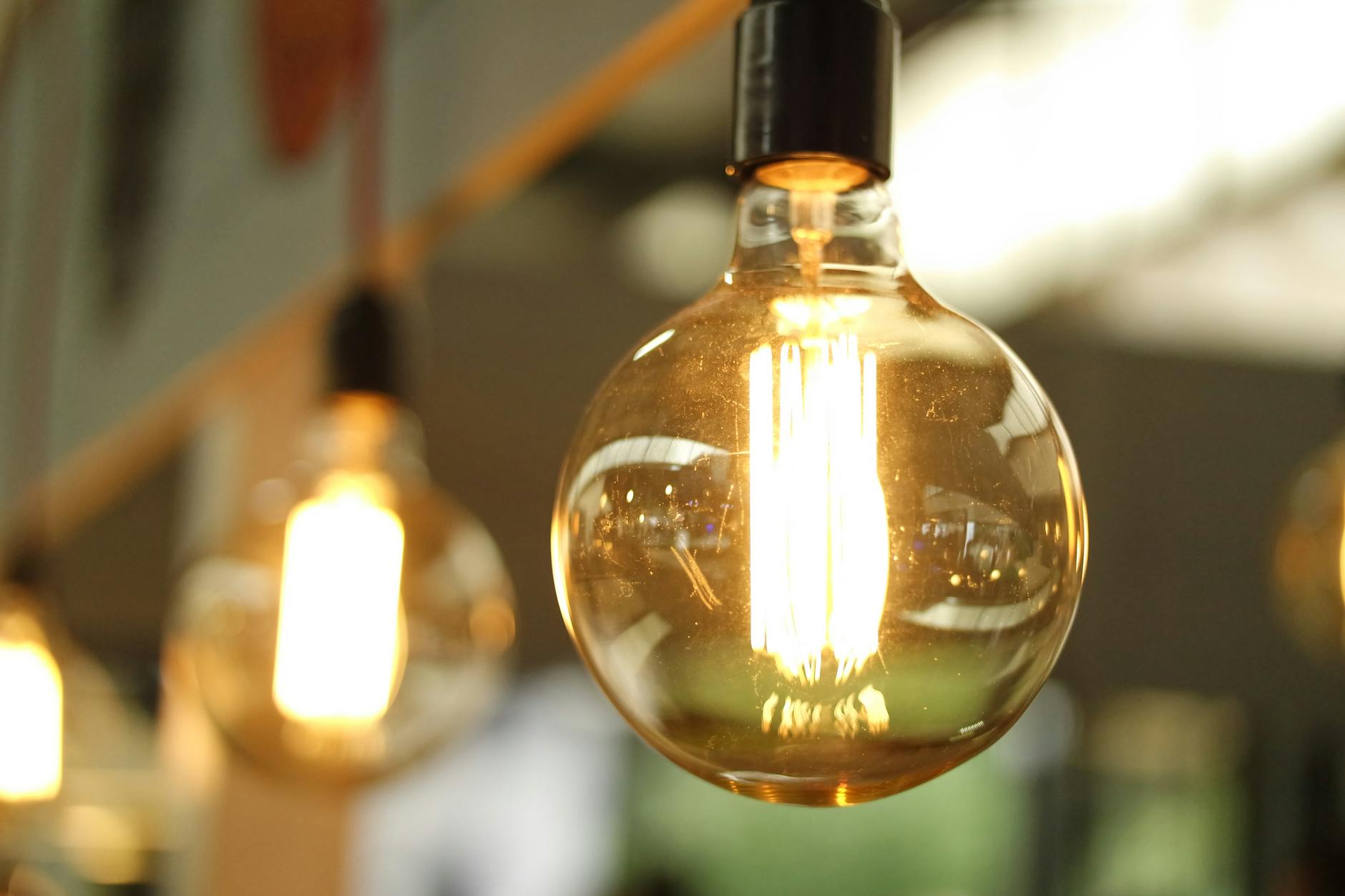
Back in America, I toured Edison’s Menlo Park “invention factory.” Edison meticulously tested hundreds of materials—bamboo, cotton, even hair—for filaments. By late 1879, his bulbs burned reliably for over 1,200 hours. Crucially, he built a complete ecosystem: generators, wiring, sales teams, and financing secured by J.P. Morgan.
My Take: Edison wasn’t just a tinkerer; he was a systems thinker. His real genius lay in building an electric economy, not merely inventing a lamp.
1882: The DC Dilemma
At Edison’s first New York power station, I walked the original coal-fired generators and copper busbars. Direct current flowed cleanly, but only half a mile from the plant. To expand, Edison needed countless stations—an idea as costly as it was cumbersome.
Expert Insight: In today’s terms, DC’s voltage drop was like trying to run a marathon with a leaky water bottle—you lose too much en route.
1882: Tesla’s Vision
My journey then took me to Belgrade, where Tesla trained. I pored over his notebooks in the Nikola Tesla Museum. As early as 1882, he sketched AC’s alternating peaks and troughs—knowing that, with transformers, you could “push” voltage high for transmission and “step” it down safely for homes.
This wasn’t idle daydreaming; it was mathematics and physics made practical.
1884: The $50,000 Betrayal
Tesla arrived in New York in 1884 and briefly worked for Edison. Edison reputedly offered $50,000 to fix stubborn DC generator faults. Tesla delivered elegant solutions in months. Yet when payment was due, legend has it Edison called it a “prank.” Tesla walked away, heartbroken but unbowed.
Personal Note: Talking with descendants of Tesla’s lab assistants, I sensed the sting of that betrayal still burned decades later.
1886: Rising from the Trenches
Penniless, Tesla dug trenches for wire-laying crews—until an impressed contractor introduced him to George Westinghouse. Westinghouse bought Tesla’s AC patents, betting on the young engineer’s audacious vision. Together, they would bring AC power to cities and factories, igniting an epic showdown.
1888: Fear as a Weapon
Standing before the New York press in 1888, Edison demonstrated AC’s lethal potential—electrocuting stray dogs, cats, and once even an elephant named Topsy. He lobbied to use AC in the first electric chair, framing it as humane execution. It was a chilling, calculated campaign to brand AC as dangerous.
Reflection: It’s tempting to believe science is pure—yet this is proof how fear can derail progress.
1893: Chicago’s Brightest Night
The 1893 Chicago World’s Fair was the ultimate test. Westinghouse underbid Edison’s General Electric to illuminate the fairgrounds. On opening night, 10,000 AC-powered lights shimmered across the Midway—a spectacle I still see in antique photographs. Newspapers called it “the greatest exhibition of electric artistry.”
Aftermath: Orders for AC plants flooded in. DC’s reign flickered out.
1896: Niagara Falls
To seal the victory, Westinghouse and Tesla harnessed Niagara Falls in 1896. I traced the original penstock tunnels—26 miles of high-voltage AC lines carrying power to Buffalo. It was a feat Edison’s DC could never match.
1912: An Unshared Nobel
In 1912, some suggested Edison and Tesla share the Nobel Prize in Physics. Tesla refused. His animosity—rooted in broken promises and corporate battles—remained unhealed. Neither man accepted the honor.
Takeaway: Genius can fuel rivalry as much as discovery. A shared prize would’ve been poetic; reality was harsher.
Lessons from the Current Wars
Systems Matter
Inventions thrive when supported by whole ecosystems—manufacturing, finance, and distribution.
Fear vs. Facts
Public opinion can be swayed by spectacle. Responsible communication is ethical stewardship.
Vision Beyond Profit
Edison saw markets; Tesla saw possibility. We need both to light our way forward.
This electrifying rivalry between Edison and Tesla fundamentally shaped our modern world. Their competing visions of electricity—Edison’s practical DC systems versus Tesla’s visionary AC transmission—created a technological revolution that still powers our lives today.
As we flip switches without a second thought, we’re participating in the legacy of these two brilliant, flawed, and fiercely competitive inventors. Their story reminds us that progress often emerges from conflict, that vision must be paired with execution, and that the currents of innovation flow through unexpected paths.
Leave a Reply